
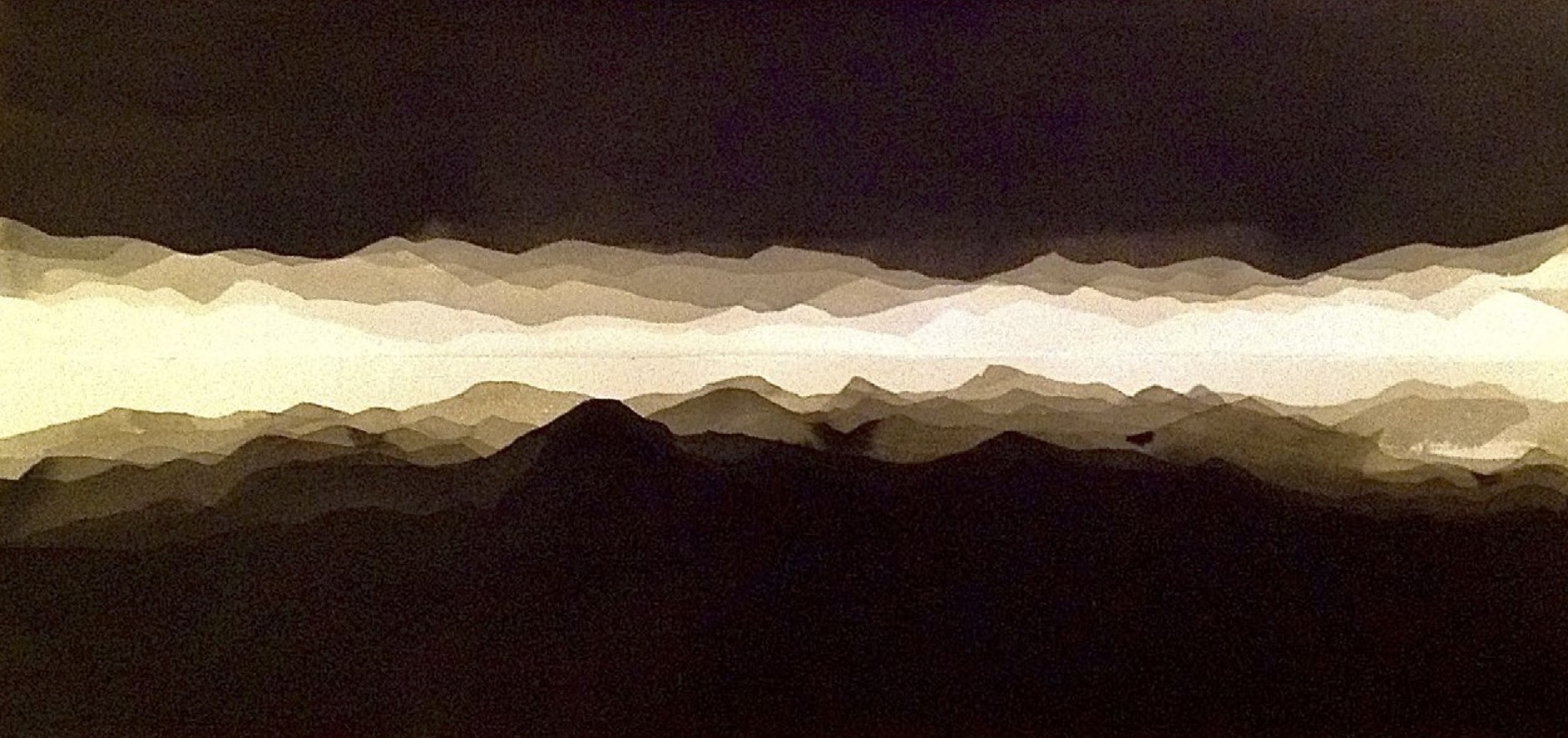
“Nothing is stranger to us than the house whose ghosts are familiar to us.
Nothing is more similar to us than that which appears furthest from us."
Milo Rossi
CANOVA22 gallery
via Canova 22
Rome
Myotic
Light as MENTAL LAYERS
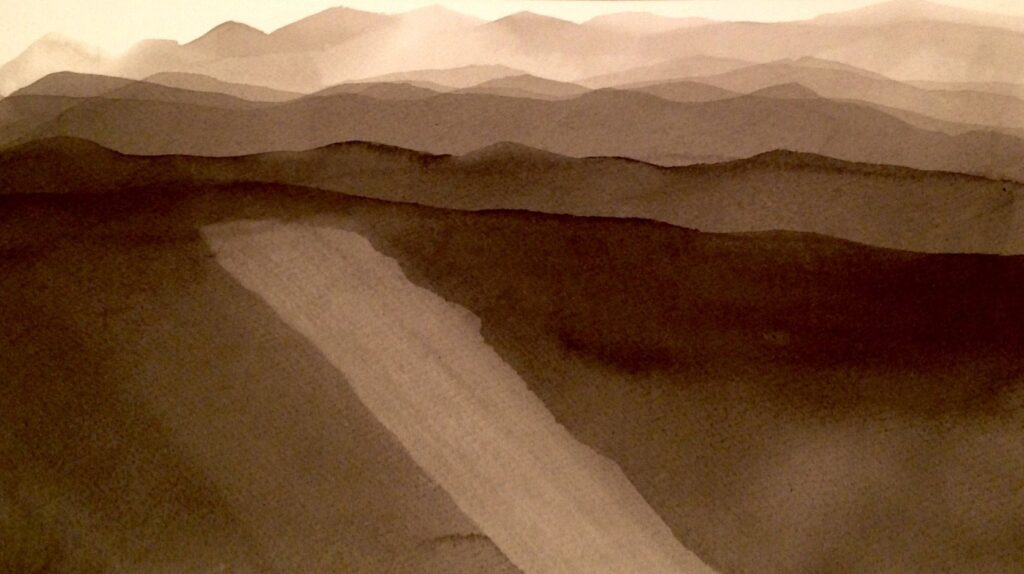
The key to understanding the light in these landscapes is introspective, in these places the light cuts the matter to illuminate mental layers, here Puca: work on stratification. The light in Myotic they are multiple moments, in a state of suspension.
In Turner: The light is atmospheric. You can feel the humidity, the heat of the sun piercing the fog. It is a light that comes from "outside" and overwhelms the world.
In Myotic, the light is endogenous. It seems to arise from inside the support, Puca paints the phosphene, or the luminous sensation produced directly by the visual system. It is a light that is more mental than meteorological.
Monet: Work on chromatic breakdown. Light is a sum of touches of pure color that the eye recomposes from a distance. It is a light that celebrates the fleeting moment (instantaneity).
In Miotica the light is stratification. Instead of juxtaposing the colors, Puca overlaps them in light glazes. The moments are multiple.

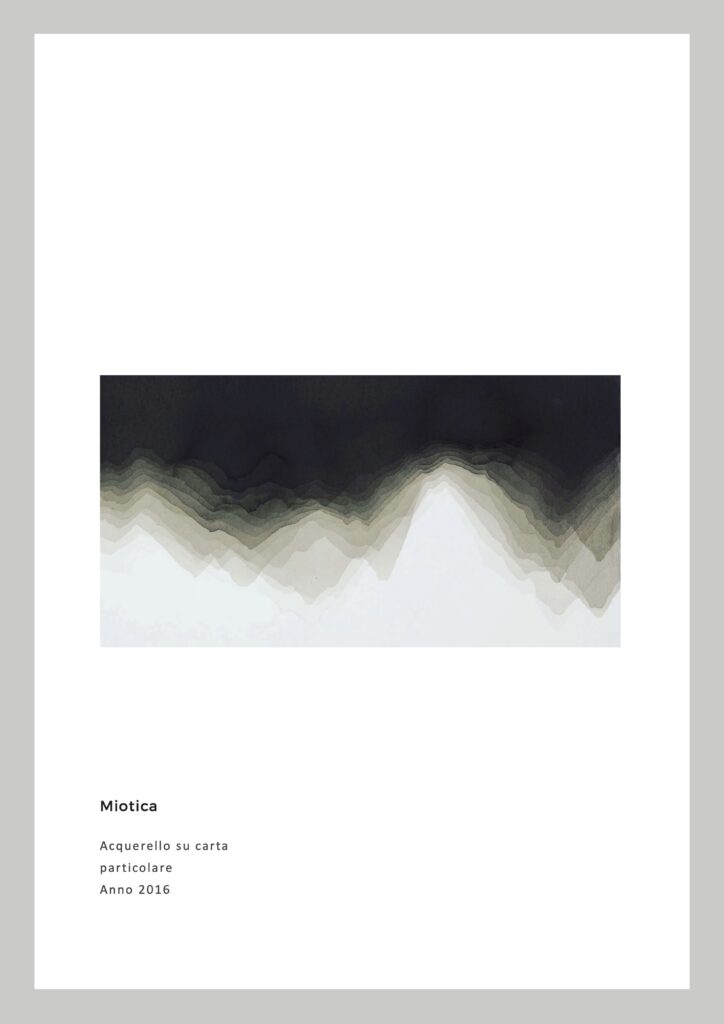
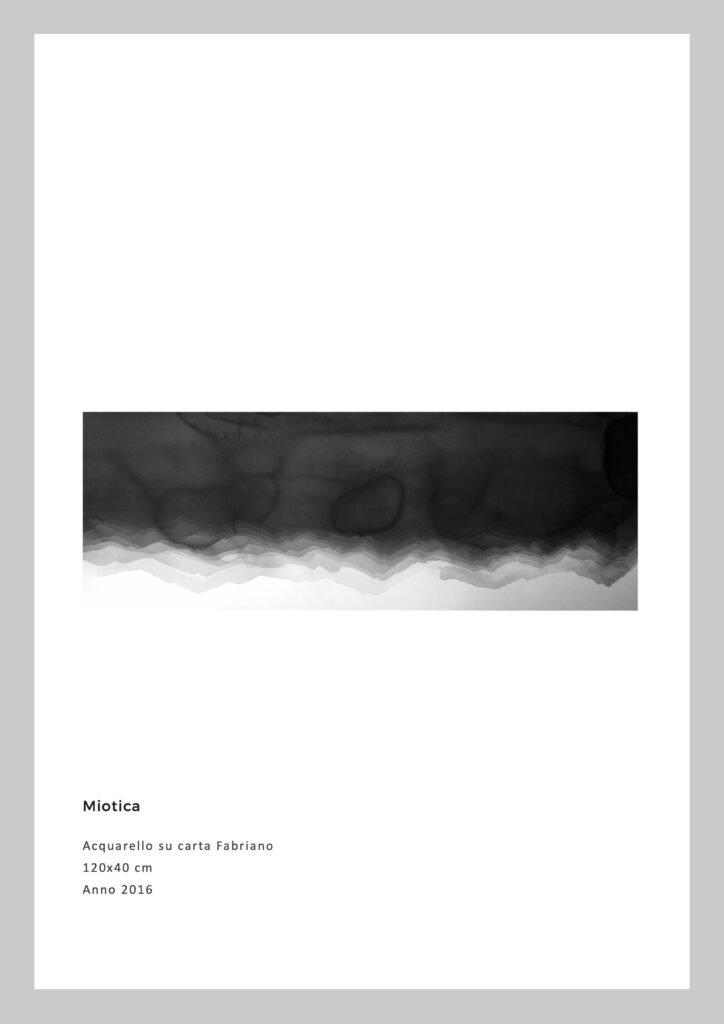
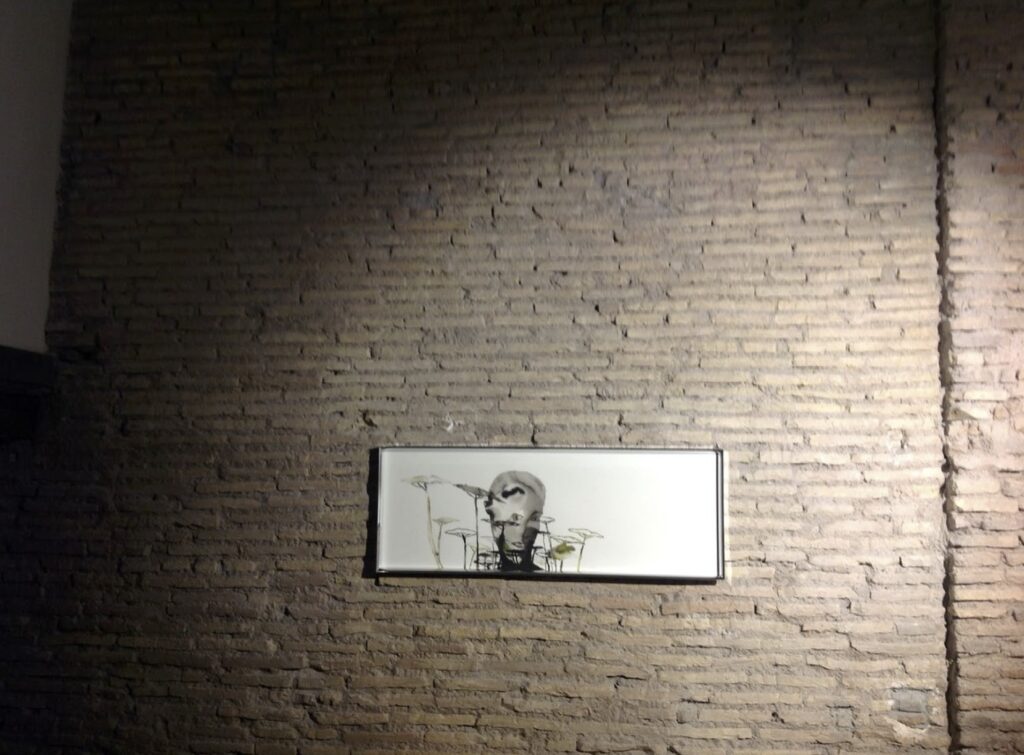

“Myotic” in the work of Marco Puca, is first and foremost a vision. A way of seeing the world. Puca's starting idea for this expressive cycle originates from the medical phenomenon – MYOSI – consisting in the decrease in the diameter of the pupils, which in physiology occurs as a response (and defense) when the eye is hit by an intense light source. Therefore it is as if the artist looked at the surrounding things and objects through half-closed eyes, as if to filter their usual and habitual perceptions and physiognomies, in favor of a more anomalous, unusual and perhaps more meaningful view. This involves a minimum "effort" in the artist and in the spectator who looks at the work, which is more mental than visual and which allows ocular accommodation but on what is not visible, which is not there.
And which therefore becomes the representation of an internal landscape or in any case internalized by the artist. A landscape that, without this peculiar way of looking, remains relegated to the imaginary or to the realm of the dreamlike. Puca, through this "myotic" vision, also achieves a much more effective acuity than simple focus, because what is important for him is to show things as they do not really exist, revealing their phantasmatic and essentially enigmatic aspect which cannot be grasped by a normal and natural vision of the world. In this cycle of watercolors, Marco underlines even more, through the fluidity that is typical of this technique, the fluidity of the world, the rarefaction of light on landscapes, the evanescence of earthly things.
Thus, even a real landscape takes on an aura of mysterious evocations in Puca's works, of usual features that have now passed into an unreal dimension. If Art is a vision of the particular that becomes universal, Puca's painting refers us to a more subterranean and recondite perspective, hidden in the harmonies/disharmonies of the psyche that yearns for a simple complexity: the one that allows us to see beyond things, crossing them, and not stopping at their mere appearance. In Puca's landscapes, light is essential to matter as well as to vision. On the other hand, as Kafka warned us, "with a very strong light you can dissolve the world".
And starting from this abysmal thought, the artist also tries to erase it to recreate one or multiple, extraordinary epiphanies.
Maria Rita Montagnani
Independent art critic/curator


MARCO PUCA
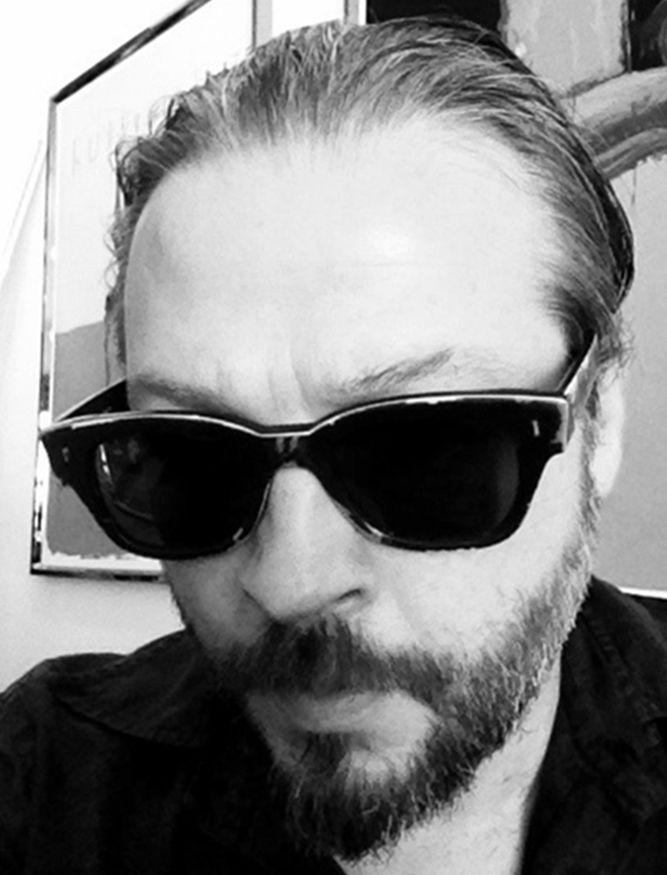
In 1993 he exhibited his works at the Premio Marche. In 1994 he won first prize in the “Arte viva Senigallia” section curated by Omar Galliani. After the exhibition in Milan, Pescara, Pesaro, Ancona, Vladikafka (Russia), Senigallia, Cagli, Jesi. He collaborated with Enzo Siciliano, Vincenzo Raponi and Massimo Raffaelli for "The invisible city". He collaborated with the magazine "NostroMonday" edited by Francesco Scarabicchi and Francesca Di Giorgio.
The following have written about him: Enzo Siciliano, Umberto Palestini, Maurizio Cesarini, Martina Majolatesi, Maria Rita Montagnani, Gian Ruggero Manzoni, Carlo De Mitri, Armando Ginesi, Giancarlo Bassotti, Cristina Magnanelli, Bruno Cantarini, Roberto Rizzente.